Tweet SLAPP designed for ‘maximum distress’ says Bellingcat founder
While many cases that are considered a SLAPP concern the publication of an article or, in some cases, a book, what makes the case Eliot Higgins fought quite novel is that he wasn’t sued for what he or his organisation, Bellingcat, had written, but for tweeting what had been published by other news outlets.
It was almost a year after these tweets when the defamation action was brought by Yevgeny Prigozhin, a Russian oligarch, against Mr Higgins, founder of Bellingcat. Mr Higgins had tweeted five posts that reported of Prigozhin’s connections with the Wagner Group from Bellingcat, CNN and Der Spiegel. In October 2020, Prigozhin had been sanctioned by the UK Government for significant foreign mercenary activity in Libya and multiple breaches of the UN arms embargo, which had been linked to the Wagner Group. Prigozhin denied any association with the Group.
You can read more about how the case unfolded here and how the claim was struck out. We spoke to Mr Higgins about being subject to a SLAPP.
The case had all of the hallmarks of a SLAPP, including going after Mr Higgins’ personally as opposed to his organisation. He told us how the letter arrived at his house just a two weeks before Christmas when he was preparing to wind down for the festive season. The letter came from a law firm representing Prigozhin and threatened to bring defamation proceedings against Mr Higgins for the tweets. Mr Higgins said: “At the time it felt like the letter had been sent to cause me maximum distress during the Christmas period, with it forcing me to quickly find a lawyer, figure out how the huge costs would be paid, and causing me a lot of stress worrying about how it could eat up all my savings and put me into massive debt.”
Mr Higgins sought legal advice and these initial fees were in the tens of thousands of pounds. In addition to this recovery was not possible. Mr Higgins spoke about the stress and the toll that being subject to legal action had caused him: “I was fortunate that Bellingcat covered the costs that were incurred, but that’s tens of thousands of pounds that could have otherwise been invested in our investigation work.”
The development of Mr Higgins’ case provoked outcry in Parliament where there was cross-party support against the legal action. Mr Higgins used his platform to highlight the case and if it had gone to trial then there was discussion about potentially needing to crowdfund in order to cover costs, which lawyers stated could be up to £1 million. Mr Higgins noted that SLAPPs have the potential to silence genuine public interest reporting and that there needs to be a more affordable way of fighting them, as the UK Anti-SLAPP Coalition have been advocating for: “I feel that particularly in this current era, where we have threats against the media coming from the West and the East, that robust anti-SLAPP legislation is essential for the press to operate freely in the UK.
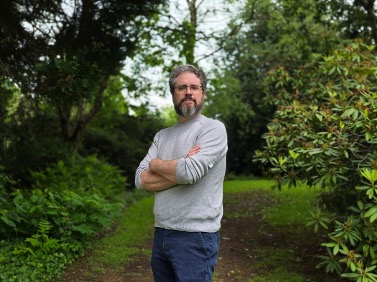
Since the case was struck out, Mr Higgins states that it has not deterred him or Bellingcat from the work that they are doing or the stories that they investigate: “What this has taught us is how to be better at dealing with these situations, not that we should retreat from our investigative reporting work.”
Mr Higgins’ advice on what to do when you receive a legal letter: “Take it seriously, get proper legal advice immediately, and don’t engage informally. Treat the letter as part of a pressure strategy, not a neutral request for correction. Document everything, assume costs will escalate, and understand that the goal is often silence rather than a courtroom victory”.